
Ask a manager how they come across and you will get a confident answer. Ask the people who report to them, and you may hear a different one. Ask their peers, and you could hear a third.
All three can be honest. None of them tells the full story alone. Profiles Incorporated helps Saint Paul organizations put those views side by side through CheckPoint 360°, a survey that turns scattered opinions into one clear picture a leader can act on.
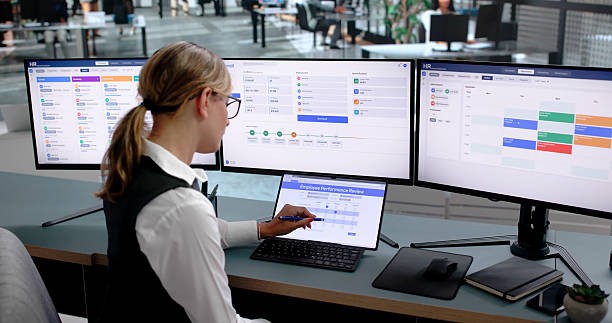
Most leaders know what they mean to do. Fewer know how it lands. A manager who thinks they are being efficient may sound abrupt. One who believes they give people plenty of room may seem absent.
CheckPoint 360° Feedback closes that gap. The leader completes an online self-evaluation. Then a group of raters does the same: direct reports, peers, supervisors, and others who work closely with the leader. The system scores every answer and sets the leader’s self-view next to everyone else’s. The distance between those views is where growth lives.
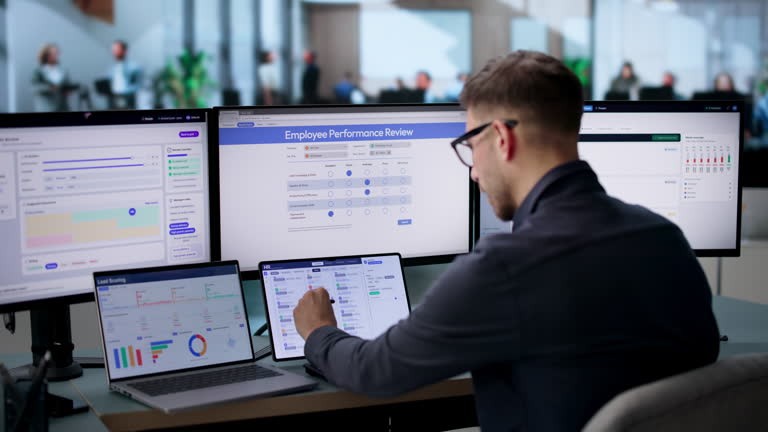
The survey measures 70 leadership behaviors. They roll up into 18 skill sets, and those roll up into eight competencies:
The structure helps because feedback needs a shape. A note like “needs to communicate better” goes nowhere. A report that shows which communication behaviors score high and which lag gives a leader something to work on Monday morning.
Each participant spends about 15 minutes on the survey. That short window is deliberate. People finish it instead of rushing through it.
The flow is simple. The manager completes a self-evaluation. The reference group provides feedback. The system collects and scores everything, then produces reports built for coaching and development.
Responses stay confidential, except the leader’s own ratings and the boss’s ratings. Confidentiality keeps raters candid. A direct report will say what is true only if they trust it will not be traced back to them.
A report is a starting point, not a verdict. Leaders and their supervisors both receive the data, so the follow-up conversation begins with shared facts. Together they can name talents worth leaning on, gaps worth closing, and two or three focus areas for a personal development plan.
Organizations also use results to check alignment. If strategy calls for faster decisions and a leader’s adaptability scores run low, you know where to spend coaching time. Over several cycles, a 360 Feedback assessment becomes a way to measure growth instead of guessing at it. Teams notice when feedback leads to visible change, and morale and productivity often follow.

Saint Paul leaders work in very different settings. A hospital manager, a city department head, a college program director, and a plant supervisor each lead in their own way. Checkpoint 360 Feedback suits all of them because the survey measures universal management competencies, not one industry’s habits.
Profiles Incorporated, a Minnesota company, helps Saint Paul leaders read their reports, choose raters, and turn findings into a plan.
Pause before reacting. Read the report twice, then look for patterns across groups rather than single ratings. A low score tells you where perception and intent have drifted apart. Talk it through with a coach or supervisor before deciding what to change.
Many organizations keep the 360 Feedback assessment focused on development because raters speak more openly when the stakes feel low. Whatever you choose, say so before the survey opens. Surprises about how results will be used damage trust faster than any score.
Many organizations let the manager suggest names and the supervisor approve the list. That keeps the group balanced instead of friends only. Include direct reports, peers, and others who work with the leader, so the picture covers every angle. Supervisors give ratings as well.
Within a few weeks, while the feedback is fresh. Pick two or three focus areas, not all eight competencies. Tell the team what you heard and what you plan to change. Visible follow-through shows raters their time was well spent. Small, steady changes beat a big announcement.
No. New supervisors often benefit early, because habits form fast. A first report gives a baseline and shows which skills to build before bad habits set. Senior leaders use it too, usually to check alignment with strategy. Both groups get data instead of guesses.
Every leader has a blind spot. The best ones go looking for it. Profiles Incorporated gives Saint Paul organizations a structured way to do that, with a CheckPoint 360° assessment that takes about 15 minutes per person. Ask for a walkthrough at 952-975-1955 or info@profilesincorporated.com.